

There is a quiet confidence that comes from treating any card table like a business decision rather than a punt. I have sat through enough late-night venue shifts and reviewed enough operator reports to know that the players who last are the ones who plan their moves before the cards hit the felt. Hilo gambling game strategy is exactly that kind of discipline, and it matters just as much on a phone screen as it does at a crowded high-limit room. If you are chasing a sensible approach instead of a miracle, you will want to understand how the betting rounds actually behave, where the mobile interface helps or hinders your decisions, and why a pre-commitment mindset beats chasing losses every single time.
That mindset separates the seasoned operators from the impulsive gamblers, turning raw luck into a calculated strategy. Whether you are managing a high-roller lounge or searching for the best online platform, knowing where to place your bets is what keeps the lights on. You can find more insights on the most reliable venues at top Dutch casino sites, where reputation meets consistent returns.
How the betting rounds actually work
The first thing to grasp is that hilo is a simple proposition dressed up as a guessing game, and the house edge does not care how confident you feel when you tap a button. You are essentially deciding whether the next card will sit higher or lower than the one currently showing, and the payout structure rewards correct calls while quietly grinding down impulsive streaks. A solid hilo gambling game strategy starts by reading the visible card, weighing the remaining deck composition in your head, and accepting that a ten or a face card on the table changes the odds far more than a lucky hunch ever will. I have watched operators tweak the same core mechanic across different providers, and the players who survive are the ones who treat each round as a discrete decision rather than a momentum story. On a phone, that discipline gets harder because the tap-to-bet flow is built for speed, so you have to deliberately slow your rhythm instead of letting the interface dictate your pace.
What this means for Australians is straightforward: the game itself is not going to bend to local expectations, so your edge comes from pacing, bankroll spacing, and knowing when a run has turned against you. A practical walkthrough looks like this: you set a session cap before you open the app, you decide your minimum and maximum bet sizes in advance, and you refuse to raise your stakes just because a few rounds went your way. That pre-commitment concept lets pokie players set spending limits in advance, and the same logic applies here because it removes the temptation to chase a bad sequence with larger calls. When you treat each decision as a fixed probability rather than a personal test, you stop feeding the game your patience and start playing within a plan that actually fits your evening.
Mobile usability and the phone-first reality
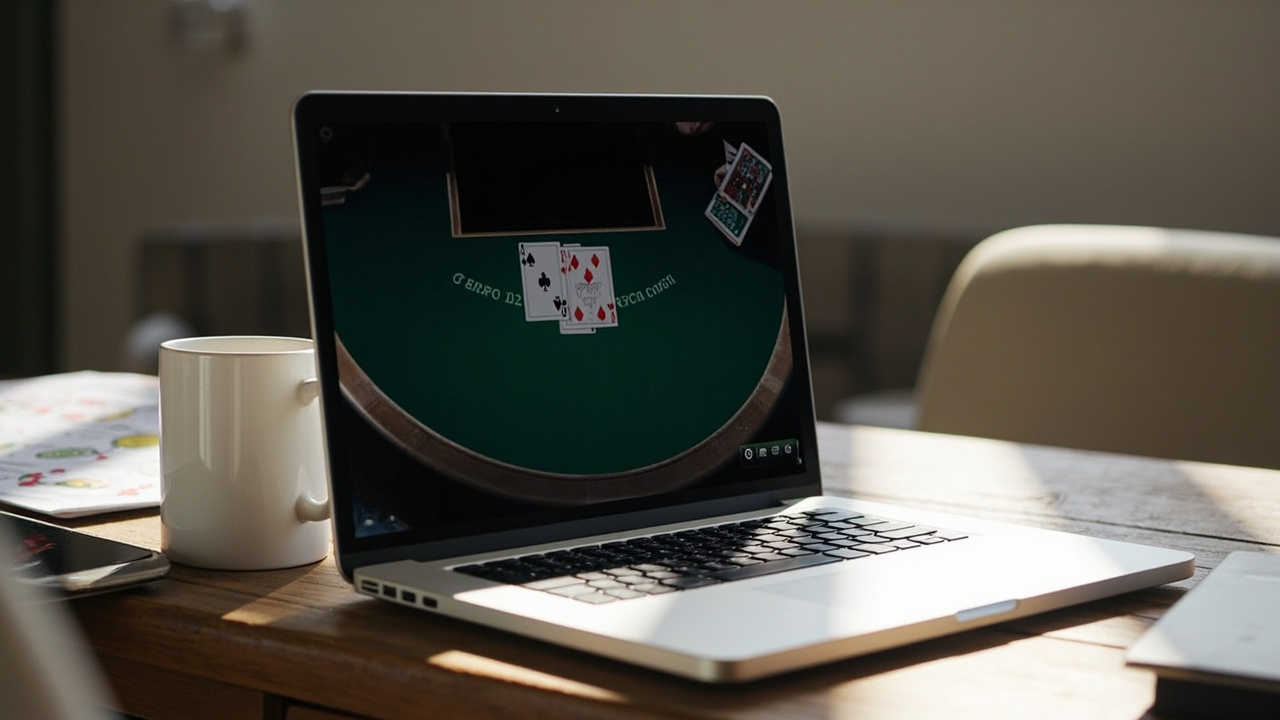
Most players will encounter hilo on a browser or a dedicated app, and the quality of that mobile experience directly shapes how well your strategy holds up under pressure. A responsive layout should keep the card table, bet controls, and result history visible without forcing you to pinch, scroll, or hunt for the next button, because a cluttered screen is a fast track to mistimed wagers. I have reviewed enough mobile-first products to know that performance matters as much as design; if the page lags during a busy arvo when the network is loaded, your betting rhythm breaks and you start making calls you would never make on a stable connection. Navigation should be simple enough that you can check your balance, adjust stakes, and confirm a result without losing your place, and the whole flow should feel built for quick sessions rather than endless scrolling.
The practical test is whether you can stick to your plan when the interface is trying to make the next round feel urgent. A well-built mobile setup keeps the important controls close, shows your current stake clearly, and lets you step away without hunting through menus, which matters because restraint is the real skill in this game. If the app or browser version buries your limits, hides your history, or pushes promotional noise into the middle of the table, it is working against the very discipline that makes hilo gambling game strategy usable. On the other hand, a clean mobile fit lets you keep your eyes on the card, your stake, and your running total, which is exactly where your attention should stay if you want to play with your eyes open.
Where the brand details actually matter
Beyond the card table, the surrounding setup determines whether your plan survives a real session or gets eroded by friction. Registration should be quick but not careless, because a proper sign-up flow is the first sign that the operator is treating verification and age checks as non-negotiable rather than a box-ticking exercise. Payments and currencies need to be clear from the start, with sensible deposit and withdrawal paths that do not hide fees or delay your access to funds behind vague processing windows. I have seen enough operators promise smooth transactions and then make you wait around for a payout, so a concrete judgement call is to test the payment flow with a modest amount before you treat any platform as session-ready. Bonus mechanics should also be readable, with wagering expectations that you can actually parse instead of a wall of conditions that only makes sense after you have already played.
Support and loyalty are where a brand either backs up its interface or leaves you guessing. Live or responsive support should be reachable when you need it, not buried behind a chatbot loop that repeats the same line regardless of your question. A loyalty programme can be useful if it rewards steady play without nudging you toward larger stakes just to climb a tier, and it should feel like a practical perk rather than a pressure machine. When I compare operators, I look for consistency across these moving parts because a polished card table means little if the rest of the experience is fighting you. If you want a closer look at how one operator packages its games and mobile fit, you can check spinago games for a concrete example of how the surrounding setup lines up with the table itself.
A measured look at limits, breaks, and real-world scale
No strategy holds up if you ignore the structural breaks that separate a controlled session from a tired one. Mandatory shutdown periods give venues a nightly gambling break, and that same idea applies to your own play because stepping away at a set time is one of the few ways to keep a game from eating into your sleep, your mood, or your bankroll. I have also seen how big the built environment can get when money and spectacle collide; casino construction can cost billions, and Marina Bay Sands cost roughly US$5.5 billion to build, which is a useful reminder that scale and spectacle do not make a card game kinder to the player. The lesson for a sensible hilo gambling game strategy is that the size of the operation around you is irrelevant to the maths on the table, so your boundaries matter more than the polish of the room or the app.
If you are weighing where to spend your time and money, it helps to compare the local picture with what is actually available elsewhere, and a measured read of the Dutch market can show how different jurisdictions package their offering. A short look at NyxBets als gokplatform voor Nederlanders is a useful contrast because it highlights how operator branding, payment clarity, and mobile presentation vary from one market to another, even when the core card mechanic stays familiar. That kind of comparison keeps you grounded: the game does not become safer because the website looks polished, and it does not become riskier because the interface is plain. What changes is how easily you can stick to your limits, read your stake, and walk away when the session has run its course.
The takeaway is not that hilo rewards genius; it is that it rewards restraint, clear limits, and a mobile setup that lets you keep your plan intact. Treat each round as a fixed decision, keep your stakes within the bounds you set before you started, and respect the breaks that keep a session from turning into a long, expensive drift. If the interface helps you see the card, your balance, and your limits without noise, you have a fighting chance of playing with your head in front of your impulses. If it does not, the smartest move is to close the tab and come back when you can actually play the way you intended. spinago games